Answering the search for vintage Japanese Pokémon cards, this guide highlights five strong options for collectors and hobbyists. Each pick targets a different buyer type—from serious collectors seeking multiple foils to casual enthusiasts chasing variety in booster packs. Read on to understand who each item best serves, what to expect from its cards, and any practical caveats to consider before buying. A quick summary table follows to compare the top choices at a glance.
| Product | Best For | Key Note |
|---|---|---|
| 50+ Official Japanese Pokémon Cards Collection with 5 Foils | Dedicated collectors seeking a diverse set with foils | Includes at least 1 double rare or higher |
| Random Japanese Booster Pack Lot of 4 | Casual collectors and those who enjoy surprise pulls | Good value per pack with multiple chances for rares |
| Random Japanese Booster Pack Lot of 3 | Budget-minded beginners | Smaller lot, easy to sample |
| Japanese Card Lot – 50 Cards from Any Series | Variety seekers and completing gaps in collections | Ungraded, multiple series mixed |
| Pokémon Japanese Authentic V/EX 25 Cards Hits-Only | V/EX fans and mint-condition focus | Guaranteed hits-style collection |
50+ Official Japanese Pokémon Cards Collection
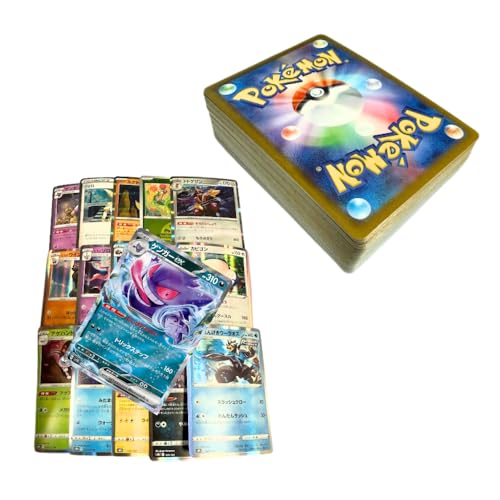
Best for serious Japanese-card collectors who want breadth and foils. This collection emphasizes variety across multiple sets and guarantees at least one double-rare or higher rarity. The mix of Japanese-language cards appeals to players and collectors who value authentic Japanese card styling and collector appeal. Use this option if you’re building a robust Japanese collection and want a mix of cards with potential foils for display or trading.
What to expect: a broad assortment from various sets, with several foils to anchor the collection. The language is Japanese, which can affect card value perception and re-sell dynamics for some buyers. Best for those who prioritize variety and a minimum rarity threshold over a single-set experience.
Best for: devoted collectors who want a high-volume start or a core of mixed rarities to target trades and fills in gaps. Limitations: exact card names and rarities vary by shipment; not all packs will be equally high-value.
Random Japanese Booster Pack Lot of 4

Best for casual collectors who enjoy the thrill of surprise pulls. This set provides four booster packs, offering multiple chances to pull rares or foils without committing to a large box. The randomness makes it ideal for players who enjoy variability and are building a collection over time.
Profile: a mix of sets and card types; content can vary between shipments. Great for testers who want to test tastes in Japanese card art and mechanics without heavy upfront investment.
Limitations: uncertainty in exact card contents means actual value can differ; recommended for those who don’t require a guaranteed high-hit rate from a single purchase.
Random Japanese Booster Pack Lot of 3

Better for beginners seeking an affordable entry into vintage Japanese cards. With three booster packs, the bundle offers a smaller risk while still providing a taste of Japanese card aesthetics and potential rare pulls. Choose this if you want a lighter starter set that’s easy to manage and store.
Caution: the contents are not guaranteed by rarity or specific series, so expect a varied outcome. This option is not ideal for buyers who want targeted sets or guaranteed high-value cards.
Japanese Card Lot – 50 Cards from Any Series

Best for players looking to fill gaps across multiple series. This lot concentrates on a wide range of Japanese cards, ungraded and varied in series, making it suitable for completing collections or curating a personalized set. It’s especially appealing to those who want breadth rather than a strict focus on a single set or rarity.
Limitation: the specific card quality and saturation can differ; no grading is specified, which may affect future resale or display intentions.
Original Simplified Chinese – Black Crystal Blaze – Slim Booster Box

Best for collectors curious about cross-language releases or alternative language packaging. While focused on a Chinese-language product, it intersects with the broader vintage-card interest and the Japanese ecosystem by showcasing how different language editions can coexist in a collector’s library. Choose this if you’re exploring language variants as part of a larger collection.
Limitation: not a pure Japanese-set product; language and regional packaging may affect resale and completeness expectations for a strictly Japanese-card collection.
ポケモン (1pack) Sun & Moon Sky Legend Japanese.ver (5 Cards Included)

Best for enthusiasts seeking a focused Japanese-era pack with a defined content schedule. This single-pack option maps to the Sun & Moon era’s Sky Legend subset, appealing to players who want a specific, limited card batch and direct exposure to that aesthetic.
Limitation: a single pack means limited odds of high-value pulls; not ideal for investors seeking large rare hits from one purchase.
Pokémon Japanese Authentic V/EX 25 Cards Hits-Only

Best for V/EX enthusiasts who want a curated batch of potent cards. This collection emphasizes 25 authentic V/EX cards, offering a compact set that’s easy to inventory and display. This option is well-suited for buyers who prioritize high-impact cards over quantity and want a focused subset for collection or potential grading opportunities.
Caution: “hits-only” wording implies a concentration on higher-rarity cards, which may still vary in actual value and condition; verify expectations about the exact mix before purchasing.
Buying Guide: Key Purchase Considerations
What should you evaluate when buying vintage Japanese Pokémon cards? Start with rarity, set compatibility, language, and condition. Deciding between random booster lots and targeted lots depends on your risk tolerance and collection goals.
What counts as a “good” starter for a Japanese collection?
A balanced starter often includes a mix of common, uncommon, and a few rare cards from different sets. A foiled card or two adds display appeal. If you want to trade with other collectors, aim for cards in consistent condition within any offered grading range.
Should you prioritize language and region?
Japanese-language cards hold strong collector and player appeal in the hobby, particularly for those who play the card game in its original language or want authentic print styling. Mixing language variants can broaden appeal but may complicate resale for some buyers.
How important is card condition and grading?
Ungraded cards are common in booster lots and mixed lots. If you plan to preserve or sell later, consider professional grading for high-value cards. Expect variability in condition across bulk or mixed lots.
What are the best buying strategies for vintage packs?
Buying in smaller lots can reduce risk while allowing you to sample different sets. For higher-value targets, seek single-pack or small-pack bundles with a clear rarity expectation. Always check return policies and seller reliability before purchase.
How to store and display these cards?
Airtight sleeves, card sleeves, and binder pages protect from humidity and abrasion. Display cases can showcase foils and rare cards. Proper storage helps maintain condition for future grading or resale.
What about cross-language or cross-region cards?
Exploring cards from multiple languages or regions can enrich a collection and offer trading opportunities. However, be mindful that language and edition differences may affect value and usability in official play.
FAQ
- What is the best option for a new collector wanting a taste of Japanese cards?
Start with a small booster pack lot to learn card art and pulls, then move to mixed lots for broader exposure. - Are Japanese cards good for investment?
High-rarity V/EX and foil cards can appreciate, but value depends on condition, rarity, and market demand. - Should I pay attention to language when collecting?
Yes. Japanese cards have distinct aesthetics and card text; language can influence where and how you use or trade them. - Is it better to buy in bulk or individually?
Bulk lots offer variety and cost efficiency, while individual packs let you target specific sets or rarities. - What is a safe way to verify card authenticity?
Purchase from reputable sellers, review return policies, and compare card back designs and holo patterns with known authentic examples. - How can I protect the cards after purchase?
Use protective sleeves, avoid direct sunlight, and store in a climate-controlled environment to minimize damage.
By selecting among these five options, buyers can tailor a vintage Japanese Pokémon card collection to their interests—whether it’s chasing foils, expanding a series-wide set, or building a curated V/EX subset. Use the Buying Guide to refine your criteria, and refer back to the product sections for quick, actionable comparisons.