Steam engine toys offer a tangible way to explore thermodynamics, engineering history, and creative problem solving. This guide highlights five top models that blend accuracy, durability, and educational value. Whether you’re a student, teacher, or curious hobbyist, these kits provide engaging, hands-on experiences that demonstrate how heat, pressure, and mechanical design interact to generate motion.
| Product | Brand | Type | Key Benefit |
|---|---|---|---|
| MechPuConToy Steam Engine Model | MechPuConToy | Beam Engine Kit | Impeccable craftsmanship and functional boiler with lamp scene |
| DjuiinoStar Stirling Engine DLTD-303 | DjuiinoStar | Low-Temp Stirling Engine | Easy start with coffee heat; classic educational design |
| Playz V8 Combustion Engine Kit | Playz | V8 Engine Kit | Working V8 model that demonstrates internal combustion principles |
| ConGamefun Steam Engine Kit | ConGamefun | DIY Vertical Steam Engine | Clear cylinder observation and safety features |
| Fundiyengdi Hot Air Stirling Kit | Fundiyengdi | Hot Air Stirling Engine | Self-contained power generation and educational assembly |
The five selections below are organized to help you compare core attributes quickly: mechanism type, ease of assembly, visual appeal, and practical demonstrations of energy conversion. Each section includes a direct link to the product page, an image reference, and a concise overview of features to help you decide which kit best fits your goals.
MechPuConToy Steam Engine Model
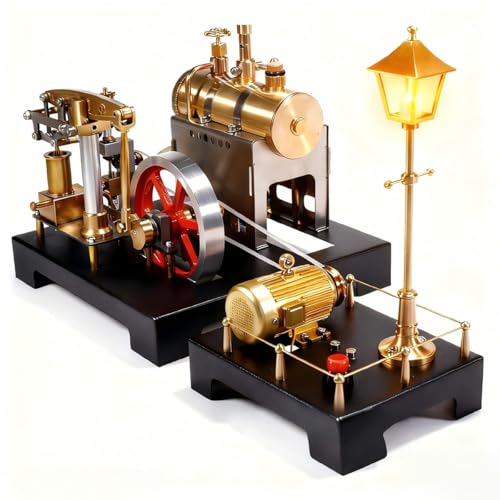
The MechPuConToy model presents a lifelike beam engine with a built-in boiler and lamp scene kit. It emphasizes high-quality materials and precise craftsmanship to deliver a durable, long-lasting steam demonstration. Users assemble the kit to explore early engineering concepts, making it suitable for both beginners and seasoned hobbyists who value realism in mechanical models.
DjuiinoStar Stirling Engine DLTD-303

The DjuiinoStar Stirling engine operates with a hot-water temperature differential, typically using a mug or similar heat source. It is designed as an accessible educational tool that demonstrates external combustion principles, with broad appeal as a classroom demonstration or desk-friendly science toy. Its compact size and straightforward operation make it a popular starter option for learners exploring thermal energy and mechanics.
Playz V8 Combustion Engine Kit

The Playz V8 kit provides a working 8-cylinder representation of an internal combustion engine. It combines education and entertainment by letting adults and kids assemble the engine and then observe pistons, cables, pulleys, belts, and exhaust valves in action. The kit is a robust option for families or classrooms seeking a tangible model of automotive engineering principles.
ConGamefun Steam Engine Kit
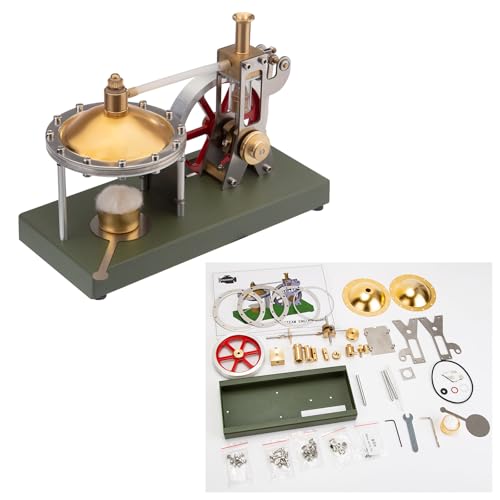
The ConGamefun kit emphasizes a DIY experience with around 40 parts and clear visual instructions. Its retro vertical design includes a transparent cylinder for easy piston observation, a sizable flywheel for smooth startup, and a realistic jet-like sound. Safety features like a spherical boiler and a mini safety valve contribute to a practical, beginner-friendly building project that still yields a visually engaging steam engine once complete.
Fundiyengdi Hot Air Stirling Engine Kit

The Fundiyengdi kit features a compact Stirling engine with a built-in mini generator. Heated by an alcohol lamp, it demonstrates power generation and mechanical motion, turning heat into electricity to light LEDs. The 3D assembly process helps users build a deeper understanding of thermodynamics, energy transfer, and hands-on problem solving, making it a strong choice for science-focused play or classroom demonstrations.
Buying Guide: Key Purchase Considerations For Steam Engine Toys
- Engine type and learning objective: Select a model that aligns with your goals—beam engines show historical steam power, Stirling engines emphasize external combustion and heat transfer, and V8 kits demonstrate internal combustion concepts.
- Ease of assembly and complexity: Beginners may prefer kits with simpler instructions and fewer parts, while advanced hobbyists may seek intricate designs with detailed hardware and longer build times.
- Materials and durability: Look for high-quality metals and components that resist wear. Durable components improve longevity and provide reliable demonstrations over many sessions.
- Educational value: Consider whether the kit includes clear explanations of core principles (thermodynamics, energy conversion, mechanical advantage) and offers hands-on opportunities to observe cause-and-effect relationships.
- Safety features: Especially for younger users, safety aspects such as guarded components, safe heating sources, and protective housings are important considerations.
- Display appeal and noise level: Some models feature LED lighting or visible piston movement, which can enhance learning and classroom engagement. Others focus on quiet operation for desk use.
- Expansion potential: If you plan to grow your collection, check compatibility with additional parts or kits that allow you to compare different engine types side by side.
- Portability and storage: Compact kits with organized parts are easier to transport to classrooms or maker spaces and store when not in use.
These factors help buyers choose a model that best fits their space, curriculum needs, and curiosity level. When evaluating options, consider not only the immediate educational payoff but also the long-term value of assembling and maintaining a hands-on mechanical demonstration.