Choosing a balance bike for a young rider who’s ready to transition from toddler wheels can be a smart, budget-friendly move. The right balance bike helps kids learn balance, steering, and confidence before tackling a pedal bicycle. This guide highlights five well-reviewed options suitable for ages 2 to 5, emphasizing safety, adjustability, and durability. Each pick offers features like adjustable heights, sturdy frames, and easy maintenance to extend the life of the bike as a child grows. Below is a quick snapshot of the featured products to help you compare at a glance.
| Product | Brand | Best For |
|---|---|---|
| WETIFY Balance Bike | WETIFY | 2-5 years; all-terrain learning |
| KRIDDO Toddler Balance Bike | KRIDDO | Creativity and customization; 2-5 years |
| Umatoll Toddler Balance Bike | Umatoll | Tool-free adjustments; 2-5 years |
| Gotrax Baby Balance Bike | Gotrax | First ride on toy; 1-2 years |
| SEREED Balance Bike | SEREED | Growth-friendly with plate customization; 2-5 years |
WETIFY Balance Bike 2-5 Years Old

WETIFY’s balance bike features a one-piece magnesium alloy frame that supports up to 110 lbs, combining a safe footrest, rubber grips, and a comfortable seat. The starting seat height is 12.6 inches, and the bike is designed for ages 2-5, enabling outdoor exploration on two wheels. A wide footrest under the seat helps kids lift their feet to glide, building balance and coordination. The bike rides on puncture-resistant tires on both wheels, offering stability and long-lasting performance on grass, sidewalks, and various surfaces. This combination supports steady skill-building during early riding experiences.
KRIDDO Toddler Balance Bike With Customize Plate
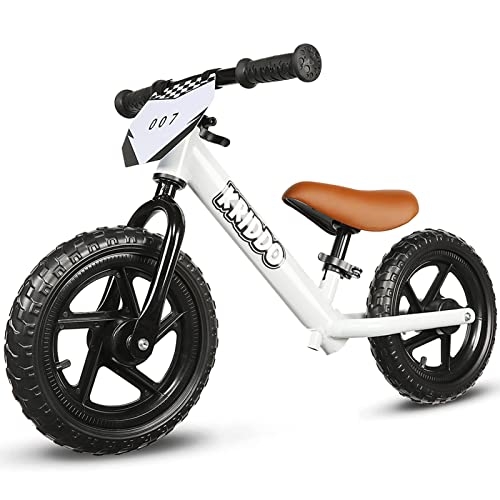
KRIDDO’s 12-inch balance bike targets early learning with a sturdy carbon-steel frame and soft components like a PU seat and rubber grips. It supports up to 110 lbs and comes with a removable customizable plate for kids to design with stickers or drawings, encouraging creative expression. The design emphasizes safety and ease of use for ages 2-5, allowing young riders to push, stand, and walk while developing balance before progressing to pedals. The inclusion of a customizable plate adds a personal touch that keeps kids engaged in practice sessions.
Umatoll Toddler Balance Bike With Quick Adjust

Umatoll offers a balance bike designed for growth and safety, featuring a carbon steel frame, soft grips, and an air-free EVA tire setup that never needs pumping. The standout feature is tool-free adjustment: seat height and handlebar height can be changed quickly as your child grows, ensuring an optimal riding posture without the need for tools. Suitable for ages 2-5, this bike focuses on a smooth transition from balance to pedal bikes while maintaining stable handling and a comfortable ride.
KRIDDO Toddler Balance Bike Night Edition

This KRIDDO model mirrors the earlier KRIDDO balance bikes with a sturdy carbon-steel frame and a removable plate, plus three sticker sets for customization. It shares the growth-friendly 12-inch wheel design and a safe riding profile suitable for ages 2-5. The combination of personalized plates, durable construction, and safety features makes it a practical choice for families seeking a balance bike that can adapt as a child develops new riding skills.
Gotrax Baby Balance Bike For 1-2 Years

Gotrax offers a compact first balance bike designed for the earliest riders (1-2 years). The bike features a sturdy steel frame and 7″ front and rear wheels with a wide stance and limited steering for enhanced stability and anti-tip safety. The design prioritizes a comfortable, secure learning experience and a quick assembly process. It’s well-suited for younger toddlers taking their first steps into balance-based riding and helps build confidence before moving to larger, pedal-free bikes or pedal-ready models.
SEREED Toddler Balance Bike With Plate & Stickers

SEREED’s balance bike is designed to grow with kids from ages 2 to 5, featuring a wide carbon-steel frame that supports up to 110 lbs. It offers a 12.6-inch starting seat height, a safe footrest, rubber grips, and a soft saddle for comfort. The bike includes a quick-release mechanism to adjust seat and handlebar height without tools, enabling easy customization. A bonus plate and stickers allow kids to personalize their ride, and the no-pedal design encourages balance and steering practice—key steps toward pedal-bike mastery.
Buying Guide: Key Considerations For Choosing A Balance Bike
- Age and rider height: Ensure the bike offers a comfortable starting seat height and a reasonable range as your child grows. Most good balance bikes support ages 2-5 with adjustable heights.
- Adjustability: Look for tool-free height adjustments for both seat and handlebars to adapt to growing kids without extra tools.
- Footrest and riding stance: A wide footrest helps children glide with feet lifted, which promotes better balance training and confidence.
- Frame and materials: Durable frames (carbon steel or magnesium alloy) provide longevity and stability. Check weight limits and overall weight for easy maneuverability by a small child.
- Wheels and tires: Puncture-resistant tires and proper tread improve stability on varied surfaces, including grass and sidewalks.
- Safety features: Soft grips, padded seats, limited steering angles, and rounded edges reduce the risk of bumps and scrapes during practice sessions.
- Maintenance and upgrades: Consider models with replaceable parts, simple assembly, and options for adding personalization like plates and stickers.
- Future transition: A good balance bike should ease the shift to a pedal bike, with a design that supports ongoing skill development as your child matures.
- Weight and size: Lighter bikes are easier for young riders to control; ensure it’s not overly heavy for a child to handle on their own.
Product choice should balance safety, growth potential, and value. When selecting, verify that the bike’s weight limit, height adjustments, and overall design align with your child’s current size and expected growth over the next 1-2 years. While all five options above emphasize learning fundamentals, your family’s priorities—be it customization, ease of use, or pure durability—will guide the best fit for a first balance bike.