When choosing a battery for ride-on cars, you want reliable 12V power, easy installation, and compatibility with your toy’s connectors. This guide highlights five top options and explains who each is best for, so you can pick the right fit for your child’s vehicle and your maintenance preferences. The selections cover common 12V lead-acid models and a high-cycle LiFePO4 choice, balancing affordability, longevity, and compatibility for homes, schools, or small hobby uses.
Summary of chosen products (quick reference):
| Product | Type | Best For | Notes |
|---|---|---|---|
| ExpertPower EXP1270 | 12V Lead-Acid SLA | Versatile, standard ride-ons and alarms | F1 terminals; easy swap |
| Mighty Max ML7-12 | 12V Lead-Acid SLA | Budget-friendly, basic replacement | F1 terminal; compact |
| SafeAMP 12V 9.5Ah | 12V Lead-Acid SLA | Longer runtime for larger toys | Red 2-pin connector required |
| ExpertPower EXP1290 (2 Pack) | 12V Lead-Acid SLA | Replacement for multiple devices | F2 terminals; packs option |
| HWE Energy 12V 9Ah LiFePO4 | LiFePO4 Lithium | Very long life; light weight | Not for engine starting |
ExpertPower EXP1270, 12V 7Ah Battery SLA with F1 Terminals
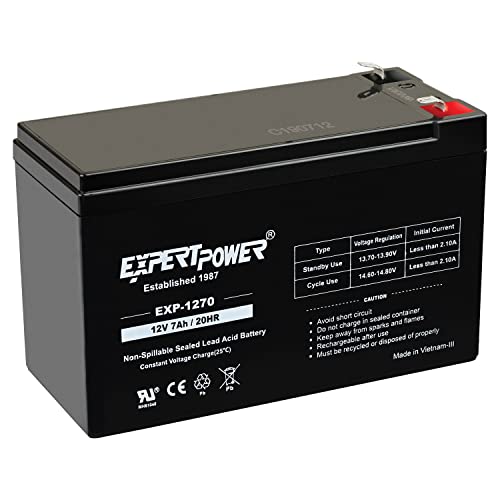
Best for: Ride-on cars that use standard F1 terminals and require a reliable, maintenance-free power source. Ideal for kids’ cars, home alarm systems, and small UPS devices that share the same 12V7Ah format.
Why selected: This replacement matches common 12V7Ah configurations, with a maintenance-free, spill-proof design. It delivers consistent 12-volt output and is easy to install for a straightforward swap when upgrading an aging pack.
Limitations: Confirm your ride-on’s connector compatibility; some older toys use different connector standards. Dimensions are 5.94″ x 2.56″ x 3.70″ (3.94″ height including terminals).
Mighty Max Battery ML7-12, 12V 7.2Ah SLA
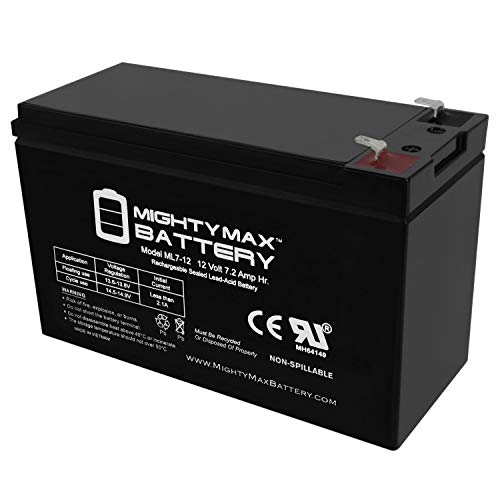
Best for: A cost-conscious replacement that fits most standard 12V ride-on toys with F1 terminals and a compact footprint.
Why selected: Provides solid, maintenance-free power at a modest price. It’s a straightforward “plug and play” option for common ride-on vehicles and security/UPS uses as a backup or replacement battery.
Limitations: The listing notes the battery is for the battery only and does not include wire harnesses or mounting accessories; ensure you have compatible hardware from your vehicle or purchase additional mounting parts if needed.
SafeAMP 12V 9.5Ah Battery for Ride-On Toys

Best for: Larger ride-on toys that need longer runtime between charges and a secure, sealed lead-acid solution.
Why selected: The higher 9.5Ah capacity offers extended playtime versus standard 7Ah packs, making it a strong pick for bigger toys or frequent use. It requires a red 2-pin connector, so verify connector compatibility before purchasing.
Limitations: Connector and size must match the toy; incompatibility can prevent proper installation or operation.
ExpertPower EXP1290, 2 Pack 12V 9Ah SLA
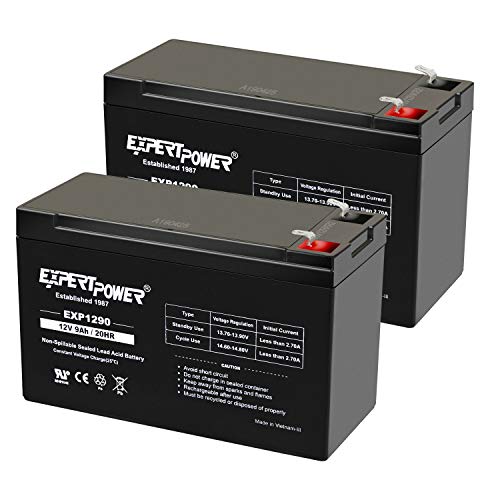
Best for: Applications requiring higher capacity with flexible installation options, such as ride-on toys, UPS replacements, or alarm backups.
Why selected: A dependable 12V9Ah option, with a low-maintenance design and a simple replacement workflow. It is a good match for devices that benefit from a larger capacity while staying in a familiar form factor.
Limitations: Check compatibility with the device’s terminal type (this model uses F2 terminals) and ensure there is enough space in the battery compartment for the slightly taller unit.
HWE Energy 12V 9Ah LiFePO4 Battery

Best for: Toy owners seeking very long life, lighter weight, and high cycle durability, especially for frequent use or extended play sessions.
Why selected: LiFePO4 chemistry provides a significantly longer lifespan (thousands of cycles) and much lower weight than lead-acid options, reducing maintenance and replacement frequency. Not intended for engine starting.
Limitations: Higher upfront cost and not all ride-ons support lithium packs; verify device compatibility and charging requirements before purchasing.
Buying Guide: Key Purchase Considerations
How to choose the right battery type for a ride-on toy
- Connector compatibility: Check terminal types (F1 vs F2) and verify whether your toy requires a specific connector. Mismatches prevent proper installation.
- Capacity and runtime: Higher Ah (amp-hour) ratings generally translate to longer playtime. For larger toys or heavy use, consider 9 Ah or higher when compatible.
- Weight and size: LiFePO4 cells are lighter and can ease handling, especially for smaller hands. Lead-acid packs tend to be heavier but cost less upfront.
- Maintenance and safety: SLA batteries are maintenance-free and spill-proof, but LiFePO4 offers longer cycle life and safer chemistry in many conditions.
- Lifecycle and cost: LiFePO4 batteries last longer but may require compatible chargers and equipment. Lead-acid options are often cheaper but require more replacements over time.
- Intended usage: If the battery also powers security devices or sensors, ensure the product claims compatibility with those devices to avoid mismatches.
Practical Comparison At A Glance
- Best overall compatibility: ExpertPower EXP1270 (F1 terminals, 12V7Ah)
- Best value: Mighty Max ML7-12 (standard 12V7.2Ah, affordable)
- Best for longer playtime: SafeAMP 12V 9.5Ah
- Best modular option: ExpertPower EXP1290 (2-pack, 9Ah each, F2 terminals)
- Best long-term durability: HWE Energy LiFePO4 12V 9Ah
Frequently Asked Questions
- Can any 12V battery replace a ride-on car battery? Most ride-on toys use standard 12V SLA or LiFePO4 packs, but you must confirm connector type, terminal style, and physical fit before replacing.
- What is the difference between F1 and F2 terminals? F1 and F2 refer to different terminal designs. Some batteries and toys require matching terminal types to ensure secure connections and proper operation.
- Is LiFePO4 safer than lead-acid for ride-ons? LiFePO4 has strong safety and longevity characteristics, with lighter weight and longer cycle life, but you must ensure the toy supports lithium batteries and compatible chargers.
- How can I extend playtime between charges? Choose a higher Ah rating within the toy’s compatibility range, ensure proper charging, and avoid deep discharges to maximize lifespan.
- What maintenance is needed for SLA batteries? SLA batteries are typically maintenance-free but should be kept clean, charged properly, and stored in a cool place to maximize life.
- Are two-pack batteries better than single packs? Two-pack options can reduce the risk of downtime by providing an immediate replacement, but require compatible charging and storage space.