Looking for a reliable RC plane camera kit to stream, record, and navigate with precision? This guide highlights five highly compatible FPV camera kits designed for RC planes, offering wide angles, clear 700–1200 TVL resolutions, and user-friendly options for beginners and seasoned pilots alike. Each kit combines a compact camera with a transmitter and essential features to improve flight awareness, distance, and immersion. Use the buying guide to compare specs and choose the best fit for your aircraft and flying style.
Summary of selected products
- RunCam Spotter V2 FPV Camera and Transmitter Kit – 170° FOV, 700TVL, 5.8G AIO
- STARDRONE 1200TVL FPV Camera – 160° wide angle, 1.8mm lens
- SoloGood Spotter V2 FPV Camera AIO – 170° FOV, 40CH 5.8G
- Wolfwhoop WT03 Micro FPV AIO – compact 600TVL, 5.8G transmitter
- RunCam Robin 3 – 1200TVL, 150° FOV, 5.9g micro kit
RunCam Spotter V2 FPV Camera and Transmitter Kit

The RunCam Spotter V2 is an all-in-one FPV camera and transmitter solution designed for RC planes, cars, boats, and drones. It features a 170-degree FOV with a 700TVL camera, delivering immersive video for fast-paced aerial segments. The built-in 5.8 GHz transmitter supports 20–200 mW output, enabling reliable long-distance transmission with compatibility across popular FPV goggles and monitors. An integrated microphone and on-screen display (OSD) add situational awareness and real-time flight data for informed control.
STARDRONE 1200TVL FPV Camera Kit

The STARDRONE T8-C2 FPV camera is designed for micro aircraft, offering a lightweight 2.5g form factor with a 1/3-inch CMOS sensor and 1200TVL for crisp obstacle and marker visibility at high speed. The 160-degree wide-angle lens minimizes blind spots, helping pilots detect branches and terrain early. It supports both PAL and NTSC modes to ensure compatibility with various video systems, making it a versatile choice for FPV planes and micro drones alike.
SoloGood Spotter V2 FPV Camera AIO Kit

The SoloGood Spotter V2 combines a micro FPV camera with a built-in OSD and microphone for an immersive flight experience. It features a 170-degree wide field of view and a 5.8 GHz transmitter with selectable power levels (20/100/200 mW). This kit is designed for RC cars, boats, drones, and planes, offering compatibility with FPV goggles and monitors and a straightforward installation process for quick setup on RC aircraft.
Wolfwhoop WT03 Micro FPV AIO Camera
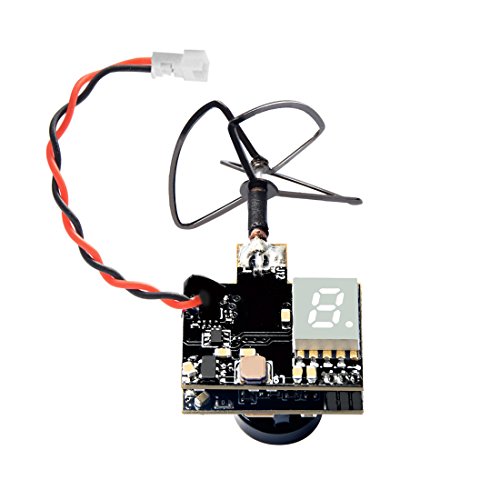
The Wolfwhoop WT03 is a compact FPV AIO camera with 600TVL resolution and a 5.8 GHz transmitter. Its micro size and light weight make it ideal for mini aircraft and quick builds. The kit is easily integrated with various RX setups and emphasizes plug-and-play simplicity, enabling rapid deployment for hobbyists who want a lightweight, low-profile FPV solution on small planes or micro aerial platforms.
RunCam Robin 3 FPV Camera Kit

The RunCam Robin 3 offers 1200TVL clarity with a 150-degree FOV in a compact 5.9-gram package. This kit emphasizes a wide vertical perspective, which benefits pilots during FPV flights by providing a broader sense of surroundings. Its robust RunCam 6-pin interface allows flexible parameter adjustments to tailor color, brightness, and gamma for different lighting conditions and flight styles.
Buying Guide
- Resolution and FOV: Higher resolution (1200TVL) improves detail at speed, while a wide FOV (150–170 degrees) increases situational awareness but may introduce more distortion. Match to plane size and pilot preference.
- Transmitter power and range: Transmitters typically offer 20–200 mW. More power extends range but can introduce interference with nearby pilots. Consider flight environment and local regulations.
- Size and weight: Micro and lightweight cameras minimize impact on the aircraft’s center of gravity and performance. For small planes, weigh options carefully to preserve flight characteristics.
- OSD and mic: On-screen display helps monitor telemetry in real time. An integrated microphone adds audio cues to the FPV feed, which can enhance immersion but may not be necessary for all flights.
- Compatibility: Ensure the camera kit is compatible with your goggles, monitor, and 5.8 GHz receiver setup. Look for universal interfaces or adapters if needed.
- Durability: Consider build quality and protective housings, especially for beginner pilots who may experience more crashes. A robust shell helps protect sensors and electronics.
- Installation ease: Many kits advertise plug-and-play setup, but real-world mounting, cable routing, and antenna positioning influence performance. Favor options with clear guides and adjustable mounting.
- Cost vs. features: Some kits bundle AIO cameras with transmitters for simplicity, while others split components for customization. Weigh your need for upgrade paths and spare parts availability.
- Regulatory considerations: Be mindful of local transmit power limits and frequency use to comply with laws and safety guidelines.
Selecting a kit depends on your aircraft size, flying style, and how much you value features like OSD, mic, or ultra-wide angles. For beginners, a compact, all-in-one kit with stable transmission and straightforward setup can shorten the learning curve. For experienced pilots, a higher-resolution camera with adjustable power output and flexible interfaces offers more control over performance in varied environments.