Answering the shopper’s question: foam floor mats and mats in roll or tile form protect floors, cushion joints, and create versatile workout or work areas. This guide covers the best options for both rolls and interlocking tiles, highlighting who should consider each product, their key benefits, and practical caveats. Ideal buyers include home gym enthusiasts, workshop floor protectors, parents creating play areas, and campers needing portable comfort. Below you’ll find a quick comparison table of the featured products to help you decide at a glance.
| Product | Best For | Key Benefit |
|---|---|---|
| Performance Tool W88981 Large EVA Foam Anti-Fatigue Grip Mat Roll | Workshop spaces and office areas | Lightweight protection that’s easy to cut to fit |
| Marcy Exercise Mat and Floor Protector Mat-366 | Home gym setups with heavier equipment | High-impact foam for machine stability and noise reduction |
| BalanceFrom Puzzle Exercise Mat 1/2″ Tiles | Multi-purpose home gyms and play areas | Large coverage with non-slip surfaces |
| FLKQC Neoprene Sponge Foam Roll | Weather sealing, vibration reduction, and DIY projects | Durable, non-absorbent and easy to cut |
| ProsourceFit Puzzle Mat 1/2″ Tiles | Versatile home gym and room padding | High-density foam with easy cleaning |
Performance Tool W88981 Large EVA Foam Anti-Fatigue Grip Mat Roll
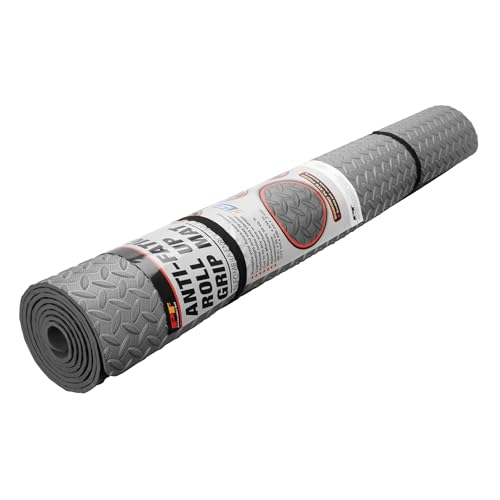
The Performance Tool W88981 mat roll uses EVA foam to provide surface protection and fatigue relief in offices, workshops, kitchens, or other floor spaces. It’s lightweight and easy to clean, and the material can be cut to fit irregular shapes. This option suits buyers who want a flexible, roll-out solution for varying floor sizes and a low-profile appearance. Best for budget-conscious shoppers who value easy customization and quick setup. Caution: cutting requires a sharp tool and careful measurement to avoid uneven edges.
Who it’s best for: small-business workshops, DIY hobbyists, and temporary workstations needing floor protection without heavy installation. Why selected: its foldable, cut-to-fit nature makes it highly adaptable for odd room layouts or short-term projects. Compared to rigid tiles, it provides smoother transitions at doorways and along baseboards.
Marcy Exercise Mat and Floor Protector Mat-366
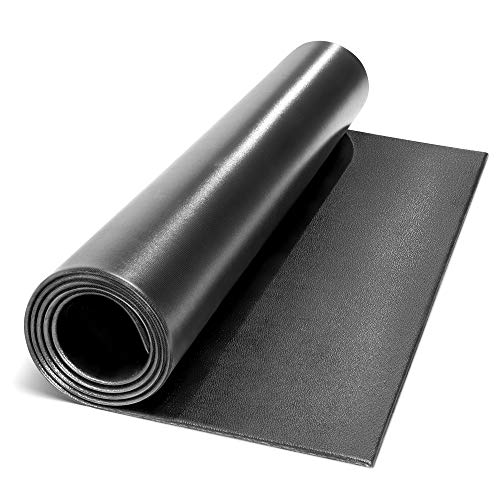
This mat features a high-impact foam surface made from premium 1/4-inch EVA foam, designed to withstand drops and protect floors from gym equipment impacts. It also stabilizes machines with a non-slip surface, reduces noise, and absorbs shock during workouts. Best for: home gyms using heavy equipment like barbells and treadmills, where floor protection and machine stability matter. Caution: larger rolls may require longer setup space and may need edge securing for uneven floors.
Who it’s best for: weightlifting enthusiasts and home gym owners wanting durable protection for treadmills and weight racks. Why selected: its high-density foam offers solid cushioning and machine stabilization, helping reduce vibration and floor damage in a dedicated workout area.
BalanceFrom Puzzle Exercise Mat 1/2″ Tiles

BalanceFrom interlocking tiles provide complete coverage with 48 square feet of cushioned flooring using 12 tiles and end borders. The 1/2-inch thick high-density EVA foam cushions joints and protects floors in home gyms, garages, or play areas. The double-sided, non-slip design helps keep tiles in place during exercises, stretches, or kids’ activities. Best for: creating a larger, modular workout space without heavy installation. Caution: ensure a flat, clean subfloor to maximize interlock stability and minimize edge lifting over time.
Who it’s best for: families setting up multipurpose rooms, DIY gym builders, and parents seeking a safe play area. Why selected: the tile system offers scalable coverage and straightforward installation, with slip-resistant surfaces for safer movement.
FLKQC 1/2″ x 17″ x 60″ Neoprene Sponge Foam Rubber Roll

The FLKQC neoprene foam roll provides a closed-cell foam option that is non-absorbent and durable, suitable for weather sealing, gaskets, and vibration reduction. The foam resists moisture and can be cut with scissors to fit odd shapes. Best for: DIY projects that require a moisture-resistant, shock-absorbing material. Caution: not a substitute for heavy-duty gym flooring in high-traffic workout rooms; it excels in sealing and vibration control rather than serving as a main gym surface.
SUPERJARE Gym Floor Mats, EVA Puzzle Tiles

SUPERJARE puzzle mats are designed for yoga, Pilates, dance, and general home workouts. Each tile is 12.6″ x 12.6″ with a 0.4″ thickness, providing soft landings and durable floor protection. They are SGS-tested, BPA-free, and non-toxic with a lighter odor than traditional rubber mats. Best for: apartment living or spaces where noise and odor are concerns, and you want modular mats that can be reconfigured. Caution: tile color and texture may vary slightly by batch, so plan for a uniform look if purchasing multiple sets.
ProsourceFit Puzzle Mat 1/2″ Tiles
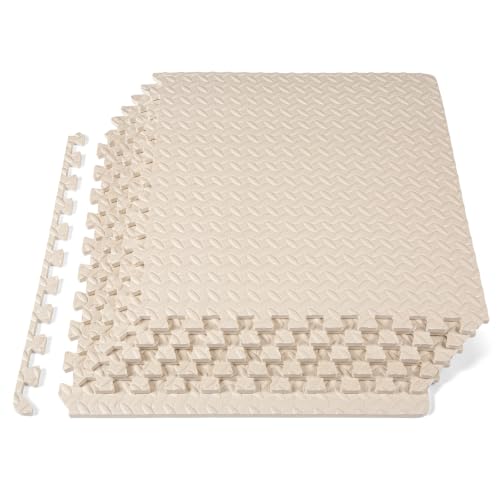
ProsourceFit offers a 1/2-inch EVA foam interlocking tile set for home gyms, garages, and play areas. The tiles are water-resistant, easy to clean, and designed to reduce noise and protect floors from impact. Best for: versatile spaces that require a combination of cushioning and easy maintenance. Caution: surface can be slippery when wet, so use on dry surfaces and keep feet dry during workouts.
Buying Guide: Key Purchase Considerations
- Intended use: For high-impact workouts or heavy equipment, look for 1/2″ to 1/4″ EVA foam with a non-slip surface and a higher-density foam core. For temporary protection or DIY projects, a roll or neoprene option may suffice.
- Floor area and layout: Interlocking tiles are ideal for modular spaces and larger areas, while rolled mats work well for irregular shapes or doorways. Measure your space to determine tile count or roll length needed.
- Durability and maintenance: Non-toxic, easy-to-clean surfaces are preferable for homes with kids or pets. Consider moisture resistance if the area is prone to spills or humidity.
- Edge and stability: Tiles should interlock securely to prevent edge lifting. Rolls should be cut cleanly and secured at the edges for a smooth transition.
- Noise and vibration: For encouraging quiet operation in apartments or late workouts, choose tiles with good shock absorption and a non-slip top layer.
- Installation effort: Tiles offer straightforward installation and reconfiguration. Rolls provide quick coverage but may require careful alignment and cutting.
FAQ
- What thickness is best for home gym floors?
– Commonly 1/2 inch (12 mm) or 3/8 inch (10 mm) for general workouts; thicker options provide more joint protection for heavier equipment. - Are interlocking tiles safer than rolls?
– Interlocking tiles reduce edge gaps and provide stable surfaces; rolls can shift if not secured properly. - Can neoprene foam rolls be used as gym flooring?
– Neoprene rolls are better for sealing and vibration control; they are not typically a primary gym floor for heavy use. - How do I clean foam mats?
– Wipe with a mild soap solution and water. Avoid harsh solvents that can degrade foam. - Do these mats support kids’ play areas?
– Yes, many options provide cushioned, non-slip surfaces suitable for kids’ activities; verify material safety specs for each product.