When parents search for a balance bike that transitions into a pedal bike, they want gear that grows with their child. The top picks below are 2‑in‑1 designs that convert from balance mode to pedal mode, helping kids build balance first and pedaling second. These options suit toddlers who are ready to gain confidence, preschoolers who need a stable bridge to pedals, and families seeking long-lasting bikes without extra purchases. This guide spotlights five strong choices, with clear reasons for each “best for” case and practical cautions to consider.
Buying at a glance: the following table highlights the five selected models, the balance-to-pedal capability, and what each is best for. Use it to compare quickly before reading deeper product details.
| Product | 2-in-1 Capability | Best For |
|---|---|---|
| bikeboy Balance Bike 3 in 1 | Balance to Pedal, quick switch | Toddlers and early beginners seeking quick transition |
| Little Tikes My First Balance-to-Pedal | Balance Mode to Pedal Mode with wheels | Very young riders who need simple assembly |
| OHIIK Balance Bike 2 in 1 (14 inch, Pink) | 60-second conversion, training wheels option | Growing riders who want a compact home footprint |
| RoyalBaby EZ Kids Bike | 2‑in‑1 grow-with-me design | Style-conscious riders and quick setup out of the box |
| Strider 14x Classic | Balance bike with optional pedal kit | Children aged 3–6 who need long-term adjustability |
bikeboy Balance Bike 3 in 1

The bikeboy 3‑in‑1 is designed to convert between a toddler balance bike and a kids bicycle quickly. Dual usage lets one bike serve two ages, typically 2–6 years, supporting balance development and body coordination as children switch modes. It emphasizes safe, gradual learning to ride and aims to boost self‑confidence as riding skills advance. Best for families wanting a single bike for multiple stages and for caregivers who value simple transitions between modes.
Best for: toddlers who start with balance practice and soon move to pedaling, with an emphasis on developing core balance and leg coordination. Choose this if you want a single customizable unit for a span of years and easy portability.
Caution: data indicates the conversion relies on quick adjustments; confirm that you have the necessary tools or guidance to switch modes safely.
My First Balance-to-Pedal Training Bike (Little Tikes)
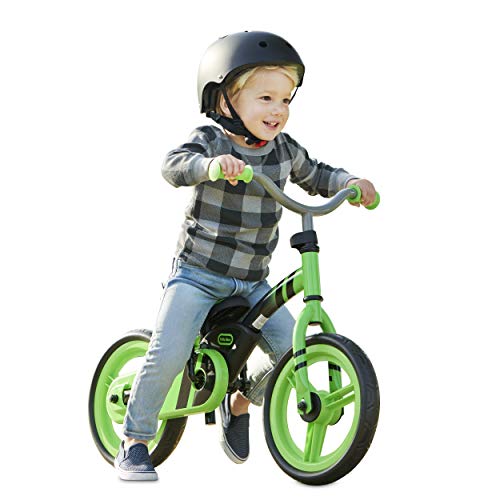
Little Tikes introduces a kid‑friendly balance bike that folds pedals in and out, simplifying the transition from balance to pedal mode. The model is designed for quick transformation, making it suitable for families who want fast, straightforward setup and easy storage between uses. It helps children ride sooner by keeping pedal training lightweight and approachable.
Best for: younger learners who benefit from a fast, simple switch between modes and parents who value minimal tools and quick assembly. It’s a solid pick for homes with limited space or busy routines.
Caution: ensure the tool kit is included or readily available, as some conversions rely on tools that may not be on hand immediately.
OHIIK Balance Bike 2 in 1 (14 inch, Pink)

OHIIK’s 2‑in‑1 design emphasizes a rapid 60‑second transformation between balance and pedal modes, with a 14‑inch wheel option that can suit children roughly aged 3–6. The model features a sturdy high‑carbon steel frame, a safe rear brake system, and a wide set of tires for stability. A 360‑degree handlebar and easily adjustable seat further support growth.
Best for: families needing a compact bike that adapts as kids grow, with emphasis on quick conversions and balanced handling. This is a good pick when space and ease of use are priorities.
Caution: pedal conversion requires careful alignment; verify that all parts align properly during the switch to avoid safety concerns.
OHIIK Balance Bike 2 in 1 (14 inch, Blue)
This variant mirrors the pink model with identical 2‑in‑1 functionality, providing a robust frame and standard safety features like a rear brake and adjustable components. It emphasizes a straightforward balance to pedaling transition and is suitable for households seeking consistent, predictable performance as kids grow taller and more confident.
Best for: children who respond well to a predictable growth path and parents who want consistent feature sets across color options. It’s a safe choice when you prefer uniform specs across multiple bikes.
Caution: color preference should be weighed with potential glare or visibility in outdoor settings; ensure riders wear visible gear in dim conditions.
RoyalBaby EZ Kids Bike

RoyalBaby EZ offers a 2‑in‑1 grow‑with‑me design that converts from balance to pedal mode. The design is aimed at quick assembly and a stylish, kid‑friendly look. While it emphasizes ease of setup and a fashionable exterior, it also targets progressive skill development by allowing toddlers to learn balance first and pedaling later.
Best for: riders who want a visually appealing, easy‑to‑assemble bike that grows with their child. It’s a practical pick for families prioritizing aesthetics and straightforward setup.
Caution: assembly readiness matters; verify that the included tools and instructions meet your setup expectations.
Decmuerx Balance Bike 2 in 1

Decmuerx presents a three‑mode design that includes balance, training wheels, and a traditional pedal bike, offering a long lifecycle as children grow. Its safety features include a front light and chain guard to reduce clothing or skin snag risks. The bike emphasizes modular conversion to fit growing skill levels and space constraints in homes.
Best for: families seeking a single bike that accommodates ongoing growth from early balance play to independent pedaling, with added safety features for peace of mind. Ideal when space is limited and multi‑stage learning is a priority.
Caution: verify that the conversion process is clearly documented and accessible, as multi‑mode setups can require careful adjustment.
Buying Guide: How to Choose the Right Balance-To-Pedal Bike
- Growth readiness: Select a model that matches your child’s current skill and expected growth window. Look for adjustable seats, handlebars, and wheel sizes that accommodate several years of use.
- Conversion speed and tools: If you want quick switches, prioritize bikes that convert in under a minute and require minimal tooling or include simple Allen keys.
- Safety features: A strong hand brake, rear coaster brake, chain guard, and reliable suspension or tires contribute to safer learning. Check for visible reflectors or lights for dusk rides.
- Weight and durability: Choose a lightweight frame for easy handling, yet sturdy enough to support frequent transitions and growing kids. High‑quality steel or alloy frames are common in this category.
- Size and fit: Ensure the bike’s recommended age or inseam range aligns with your child. Adjustable seats and handlebars help maintain proper knee clearance and comfortable reach.
- Storage and footprint: If space is tight, consider models with compact designs or foldable components. Some bikes include training wheels or removable wheels to save space.
Frequently Asked Questions
- What age is best for a balance-to-pedal bike? – Most models target ages 2–7, but the right age depends on your child’s balance, coordination, and interest in pedaling.
- Do balance-to-pedal bikes require tools to convert? – Some models use tool-free designs or simple wrenches; check the product details for specifics before purchase.
- Can a child skip the balance stage and go straight to pedals? – It’s generally recommended to start with balance to build confidence and balance skills before pedaling.
- Are two‑in‑one bikes safer than single‑mode bikes? – The safety depends on build quality and proper use; a well‑made 2‑in‑1 bike with appropriate brakes and guards can be as safe as specialized bikes when used as intended.
- What maintenance is required for these bikes? – Regularly check brakes, tires, and chain guards; keep components clean and lubricated where appropriate, and inspect for loose fittings after conversions.
- Should I buy a 14″ or 12″/16″ model? – Choose by your child’s height and inseam; 12″ suits younger toddlers, 14″ and 16″ fit older toddlers and early riders who will pedal more quickly.