The best balance-to-pedal bikes let kids grow from gliding to pedaling with confidence. This guide highlights five versatile options, ideal for ages 2–7, that convert quickly between balance and pedal modes. Each pick targets a different learner stage: entry-level balance focus, quick-switch to pedals, or all-in-one 3-in-1 designs. The table below helps you compare key points at a glance.
| Product | Best For | Conversion Time | Key Advantage |
|---|---|---|---|
| OHIIK Balance Bike 2 in 1 (Blue, 12 inch) | Youngest riders just learning balance | ~60 seconds | Lightweight high-carbon frame; safe hand brake; adjustable seat/handlebar |
| My First Balance-to-Pedal Training Bike (Little Tikes, Green, 12 inch) | First-time riders, easy switch between modes | Quick with included Allen wrench | Pedals fold in/out; easy assembly |
| OHIIK Balance Bike 2 in 1 (Pink, 12 inch) | Girls who want a vibrant balance-to-pedal option | ~60 seconds | 2-in-1 design with training wheels; adjustable components |
| bikeboy Balance Bike 3 in 1 (12–16 inch) | Growing riders who need long-term use | ~50 seconds | Three modes; dual brake system; parent-child interaction |
| Strider 14x Classic (Orange, 14 inch) | Older toddlers ready for pedaling soon | Optional pedal kit (sold separately) | Long seat height range; easy growth with growth spurts |
Note: All products support growing with your child, offering transitions from balance practice to full pedaling with various brake and steering options. Consider your child’s age, height, and comfort with balancing before choosing a model with pedal conversion complexity.
OHIIK Balance Bike 2 in 1 – Blue (12 Inch)

Best for: Younger beginners who need a quick balance-to-pedal switch. The 2-in-1 design converts in about 60 seconds, making it easy to progress from balance to pedals as your child grows. The frame is lightweight yet durable, with a sensitive front brake and a rear coaster brake option. The seat and handlebar are adjustable without tools, allowing a comfortable fit as your toddler develops.
Why chosen: This model offers a fast, tool-free transition and a safety-focused setup with wide pneumatic tires for stability. It’s suitable for kids over 6 years who need to practice balance and control prior to pedaling.
Limitation: The pedal kit will require supervision during the conversion to ensure proper alignment of components.
Little Tikes My First Balance-to-Pedal Bike – Green (12 Inch)
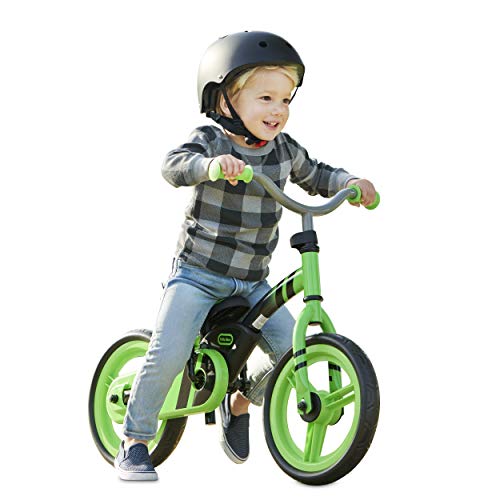
Best for: Early learners who want a simple, fast transformation between balance and pedal modes. Pedals fold in and out, which reduces clutter and speeds up learning transitions. Assembly is designed to be straightforward with minimal tools required.
Why chosen: A well-known brand with a focus on easy switching and kid-friendly design. The single-gear setup is simple for beginners, reducing confusion during the first rides.
Limitation: Not all riders may prefer pedal folding mechanisms if they want a continuous pedal setup from the start.
bikeboy Balance Bike 3 in 1 – 12 to 16 Inch

Best for: Families seeking a long-term option that grows with the child. The 3-in-1 design supports balance learning, pedal mode with training wheels, and a full pedal bike as confidence builds. It emphasizes safe and effective learning with a dual brake system.
Why chosen: The dual brake setup helps kids learn braking in stages—front hand brake for control and rear coaster brake for intuitive stopping. This design supports gradual skill development and confidence.
Limitation: The product description emphasizes learning benefits over specific component specs; ensure the chosen size matches your child’s height for proper reach.
Decmuerx Balance Bike 2 in 1 – 12/14 Inch

Best for: Parents who want a single bike that adapts through multiple stages, from balance to pedal with training wheels. The design includes a front caliper brake and a rear coaster brake, plus fenders and a visible chain guard for safety.
Why chosen: The three riding modes and integrated safety features support progression without needing multiple bikes. It’s a compact solution for space-conscious households.
Limitation: Look for fit guidance to ensure the bike length and saddle height align with your child’s inseam for best results.
Strider 14x Classic – Balance to Pedal Transition

Best for: Older toddlers ready to move to pedals with a growth-friendly setup. The 14x design supports a broad seat height range to accommodate rapid growth. Pedal kit is sold separately for conversion.
Why chosen: Known for easy assembly and long-term adjustability, the Strider 14x offers a dependable path from balance to independent pedaling as confidence builds.
Limitation: Pedal kit is sold separately, so additional purchase is needed to complete the full conversion experience.
Buying Guide: Selecting The Right Balance Bike That Converts To A Pedal Bike
What age and height should I consider?
Choose a model with an adjustable seat and handlebars to match your child’s growth. For balance-focused use, ensure the bike fits with a comfortable standing reach and a low seat height. For older toddlers closer to pedaling, verify inseam compatibility with the pedal position and handlebar reach.
Which conversion features matter?
Look for tool-free or tool-light conversion, secure pedal kits, and reliable braking options. A balance-to-pedal bike should transition quickly without compromising safety or stability. If you want lifelong use, select a 3-in-1 model that grows from balance to pedals to full bicycle.
Safety features to prioritize
Front and rear braking options, a sturdy frame, wide tires for stability, and a chain guard to prevent clothing snag. A low step-through frame helps young riders mount and dismount confidently.
Maintenance and space considerations
Consider the bike’s weight, ease of storage, and whether the design requires frequent tool use for adjustments. Pneumatic tires provide grip but may require more maintenance than solid tires.
Brand and warranty considerations
Choose reputable brands with factory-aftercare support and clear replacement part availability. While not all products include warranties in descriptions, verify coverage when purchasing.
FAQ
- What is the typical conversion time for a 2-in-1 bike? Most models convert in about 50–60 seconds with minimal tools or no tools at all.
- Is a 3-in-1 bike worth it? Yes, for families wanting long-term use as children grow, it eliminates the need for multiple bikes.
- What age is ideal for starting with a balance bike? Many kids start between ages 2 and 3, depending on balance development and height.
- Do these bikes include safety accessories? Many options include basic safety features such as brakes, chain guards, and protective padding, but check each listing for specifics.
- When should I upgrade to a full pedal bike? Once your child demonstrates confident balance and steering with minimal assistance, a pedal conversion is appropriate.
- Are these bikes adjustable for growth? Yes, most models offer adjustable seats and handlebars to accommodate several growth spurts.