Choosing a balance bike helps toddlers develop balance, coordination, and confidence before transitioning to pedals. The following hand-picked options come from trusted brands and are designed for safe learning, indoor and outdoor use, and easy adjustments as kids grow. Below is a quick overview of five recommended models to consider.
| Product | Brand | Recommended Age Range | Key Benefit |
|---|---|---|---|
| SEREED Baby Balance Bike | SEREED | 12-24 months | Early balance development; wide wheels for safety |
| Strider 12” Sport Bike (Green) | Strider | 1-4 years | Pedal-free learning; easy transitions |
| Schwinn Elm and Koen Bike | Schwinn | 2-13 years | Adjustable seat; grows with child |
| Bicystar 16 Inch Balance Bike | bicystar | 5-9 years | Hands-on balance practice; adjustable height |
| Strider 12” Sport Bike (Blue) + Rocking Base | Strider | 6 months-4 years | 2-in-1 rocking base for confidence-building |
SEREED Baby Balance Bike for Toddlers
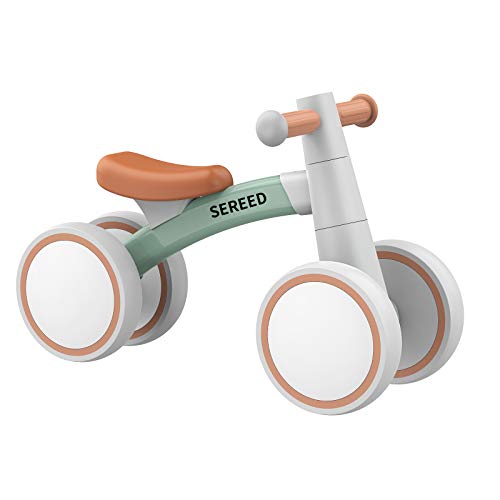
The SEREED balance bike is designed for toddlers as young as 12 months. It features a sturdy aluminum frame, a wide wheel design to minimize foot clamping, and a 135° turning limit with gravity steering to help prevent falls. The bike’s non-slip, wear-resistant wheels are suitable for indoor and outdoor use, offering a comfortable seat and secure grip for little riders.
Strider 12” Sport Bike, Green
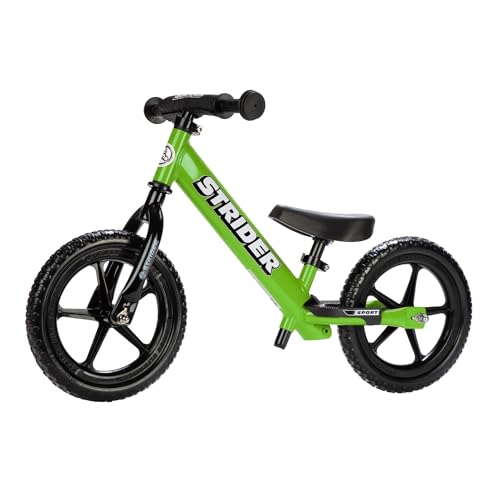
The Strider 12” Sport Bike introduces children to riding by focusing on balance and steering without pedals. This model emphasizes confidence-building through a simple, lightweight frame and easy setup. It is well-regarded for helping kids as young as one learn balance before transitioning to pedal bikes.
Schwinn Elm and Koen Bike, 12-18 Inch
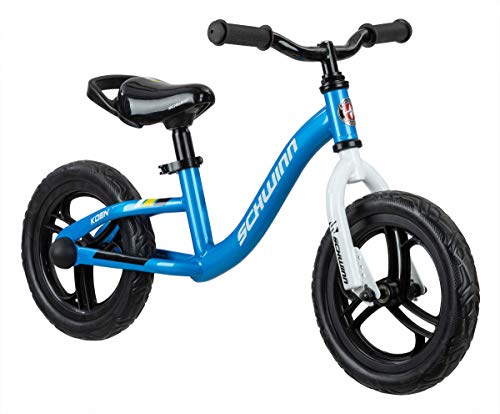
Schwinn’s Elm and Koen line offers balance bikes with training wheel options and adjustable seats, helping kids 30″ to 54″ tall ease into cycling. The design focuses on an easy, single-speed riding experience that supports a gradual transition to full-sized bikes as children grow.
Bicystar 16 Inch Balance Bike

The Bicystar 16 Inch balance bike targets older kids (5-9 years) with adjustable seat and handlebar heights. It emphasizes quick assembly and growth adaptability, allowing kids to master balance before moving to pedal bikes. The bike is designed to be durable and easy to ride for longer periods.
Strider 12” Sport Bike (Blue) + Rocking Base

This Strider model includes a rocking base that converts the balance bike into a rocking ride, helping toddlers build confidence and balance before progressing to steady striding. The 12” Sport Bike features padded seating, a safety pad, mini grips, and a low starting seat height for easy mounting.
Gotrax KS12 Balance Bike

The Gotrax KS12 is a 12″ toddler balance bike designed for ages 2 and up. It features LED lights for engagement, adjustable seat and handlebar, and a bell for extra safety. The lightweight frame and flat-free tires make it convenient for indoor and outdoor use while growing with your child.
Ridego 14 Inch Balance Bike

The Ridego 14 Inch Balance Bike is designed for kids 3-6 years old. It emphasizes lightweight construction with an adjustable seat and air rubber tires for better traction across surfaces, supporting a smoother ride as confidence grows and skills improve.
Buying Guide: Key Purchase Considerations
- Age and size compatibility: Ensure the bike matches your child’s height and leg length. Look for adjustable seats and handlebars to accommodate growth.
- Weight and materials: Lightweight aluminum or reinforced plastics ease handling for parents and kids alike; consider durability for indoor and outdoor use.
- Tires and grip: Flat-free or air-filled tires affect ride comfort and maintenance. Non-slip grips and a stable base reduce the risk of slipping.
- Balance learning features: Some models offer rocking bases or training wheels as transitional aids; others focus on a straightforward pedal-free design for early balance practice.
- Safety and design: Look for a low center of gravity, rounded frame edges, and a securely mounted seat. A 135° steering limit or gravity-assisted steering can prevent tipping during early rides.
- Adjustability and growth: Bikes with tool-free adjustment are easier to adapt as a child grows, reducing the need for frequent replacements.
- Indoor vs outdoor suitability: Consider floor impacts and space when choosing a bike for indoor use, and dirt or grass compatibility for outdoor rides.
- Maintenance and parts: Check availability of replacement parts like tires, tubes, and seats. Simpler designs often mean easier maintenance.
- Value and longevity: A slightly higher upfront cost can yield a longer usable period if the bike grows with the child.
The selections above offer a mix of beginner-friendly, adjustable, and growth-oriented balance bikes from reputable brands. Each model facilitates safe, confident progression from balancing to pedaling, helping children develop essential biking skills with minimal frustration.