Finding the right walking aid toy helps infants transition from crawling to standing with confidence. The following selections focus on safety, engaging activities, and developmental benefits such as balance, coordination, and early learning. Each product is designed to support caregivers and babies through the first steps, with features that adapt as infants grow. Explore five top options and a concise buying guide to compare styles, materials, and play elements.
| Product | Brand | Key Feature | Age Range |
|---|---|---|---|
| Watolt Baby Walking Harness | Watolt | 4-in-1 multifunctional with start-to-stand and self-walking modes | 7–24 months |
| Fisher-Price Laugh & Learn Smart Stages Sis Walker | Fisher-Price | 2 play modes with 75+ songs and educational activities | 6+ months |
| Pithfor Wooden Baby Walker | Pithfor | Eight activity toys and Montessori-inspired learning | 10–24 months |
| SYNCFUN Baby Learning Walker | SYNCFUN | Two-speed walking with detachable play panel | 6–12+ months |
| KÜB Montessori Baby Walker | KUB | Educational panel, safe materials, ergonomic design | 10–24 months |
Watolt Baby Walking Harness
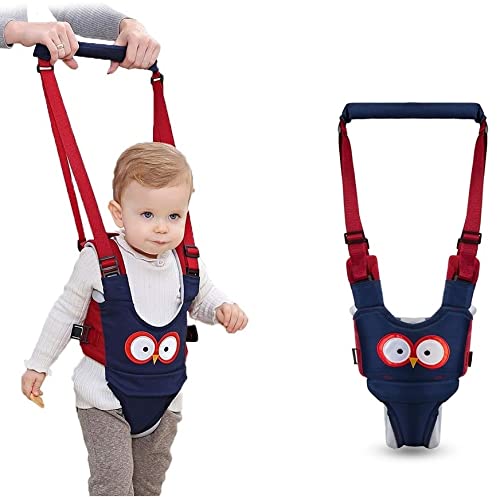
The Watolt walking harness provides a 4-in-1 design to grow with your child. It supports early standing with a lift-in-crotch option and progresses to self-walking with arms free to explore. The harness aims to reduce caregiver back strain while allowing longer practice sessions, which can help babies gain confidence and balance as they learn to walk independently.
Users can switch modes to match age and ability, from start-to-stand to self-walking. By keeping the baby close, it encourages steady gait and safer exploration. The design emphasizes control and stability for both baby and caregiver during practice walks.
Fisher-Price Laugh & Learn Smart Stages Sis Walker
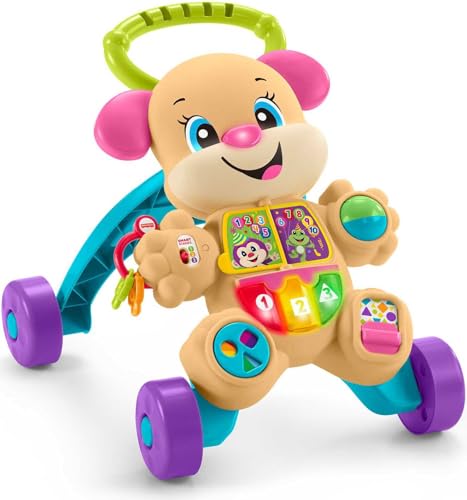
This walker offers two modes: sit & play or stand & walk, with three Smart Stages levels containing over 75 songs, sounds, and phrases. It teaches the alphabet, shapes, colors, numbers, and basic Spanish words while engaging with lights and activities. The variety helps children stay entertained as they transition from sitting to walking and exploring hands-on play.
With kid-friendly buttons and interactive features, caregivers can encourage cognitive development as movement progresses. The engaging music and lights also support auditory and visual learning during early development.
Pithfor Wooden Baby Walker

Pithfor’s wooden baby walker combines a push walker with an activity center. It includes eight features such as a mirror, rolling drum, bead maze, xylophone, and shape sorter. This multi-activity design encourages fine motor skills and cognitive development while supporting first steps. The wooden build emphasizes durability and a classic aesthetic, suitable for Montessori-inspired play.
The all-in-one design supports sitting-to-standing transitions and active exploration, giving babies varied play experiences that can accompany early walking development.
SYNCFUN Baby Learning Walker

SYNCFUN’s two-in-one design supports both sit-to-stand and push-walker play with adjustable speed settings. The detachable play panel can be used on the floor or attached to a crib, offering flexible play options. The walker features a light-up piano panel, interactive sounds, and an ABC mode, making learning elements part of movement. This versatility suits babies transitioning through early walking stages.
Parents can tailor speed for younger or more confident walkers, facilitating safer practice and enjoyable exploration as movement skills progress.
KÜB Montessori Baby Walker

KÜB emphasizes safety with BPA-free materials and a rounded-edge design. The ergonomic handlebar height and a 60-degree tilt reduce spinal pressure during pushing, aligning with ergonomic principles for early walkers. The walker includes an engaging light-up musical panel featuring shapes, colors, and sounds to promote fine motor skills and cognitive development while babies practice walking.
The product highlights safety, learning through play, and a design that supports healthy posture during the early steps.
Buying Guide: Key Purchase Considerations
- Age range and development stage: Choose a model aligned with your child’s current walking ability and growth trajectory. Some walkers are better suited for sit-to-stand learning, while others emphasize independent walking.
- Safety and materials: Look for non-toxic finishes, BPA-free materials, rounded edges, and sturdy bases. Wooden designs tend to be durable, while plastic walkers may offer more engaging features.
- Adjustability and modes: Multi-mode walkers can grow with your child, including lift-and-stand, push-walker, and ride-along options. Consider whether you need reversible or detachable play panels for versatility.
- Developmental activities: Walkers with musical panels, shape sorters, mirrors, and beads aid in cognitive and fine motor development. Decide which activities align with your child’s interests.
- Portability and space: If you travel or have limited space, consider walkers with foldable parts or compact footprints. Weight and disassembly options can affect portability.
- Floor compatibility: Some walkers have anti-slip wheels or rubber treads suitable for hardwood or tile floors. Check for stability on your home surfaces.
- Maintenance: Look for easy-to-clean surfaces and parts that can be wiped or washed. Detachable panels should be simple to reassemble for continued use.
- Brand reliability and warranties: Reputable brands often provide safer, longer-lasting products with customer support and replacement parts when needed.
These considerations help compare products across safety, engagement, and growth potential. Parents should monitor a child’s response during use and discontinue any toy if there is a risk of tipping or choking hazards.