Answering the key question for parents seeking a versatile toddler or kid scooter: a 3-wheel scooter with a seat offers both stability and growth potential for early walkers and emerging riders. These models let younger children sit while cruising, then switch to a standing ride as confidence grows. The best options combine light weight, adjustable height, safe seating, and eye-catching wheels. The following five products are highlighted for different needs—from indoor fun to outdoor adventures and growing riders.
Buyer’s quick-start table (selected models at a glance):
| Product | Best For | Key Feature | Notes |
|---|---|---|---|
| Hurtle 3 Wheeled Scooter (Pink) | Toddlers starting sit/stand transition | 2-in-1 sit/stand with flip-out seat | 4-height adjustable handlebar |
| Lifemaster 3 Wheel Scooter (Pink) | Growing riders with long use | Three height settings; LED wheels | Seat supports limited weight when used |
| Hurtle 3 Wheeled Scooter (Blue) | Outdoor fun, entry-level riders | Similar 2-in-1 design; bright LEDs | Solid outdoor-ready build |
| Gotrax KS3 Kick Scooter (Green) | Three-wheel stability with lean-to-steer | Lighted wheels; foldable seat | Lightweight for portability |
| SereneLife 3 Wheel Scooter (Pink) | Versatile indoor/outdoor use | Foldable seat; rear brake; LED wheels | Supports a wide weight range |
Hurtle 3-Wheeled Sit/Stand Scooter With Flip-Out Seat (Pink)

The Hurtle ScootKid model combines a 3-wheel design with a detachable flip-out seat, enabling easy sit-and-cruise mode for younger riders. The 45-pound capacity seat adds comfort during early scooting, while the built-in foot rest supports a natural seating position. An adjustable handlebar offers four height options (25.5″, 27.5″, 31″, 34″), making this scooter adaptable as a child grows. LED color wheel lights add visual appeal during rides, enhancing visibility and fun.
Best for: Toddlers who need stability and confidence while seated, then gradually transition to standing as balance improves. This model is well-suited for indoor play and gentle outdoor use where lighting helps with visibility.
Why selected: The combination of a removable seat, wide deck, and adjustable height supports multi-year usage. The vivid LED wheels add excitement, which can help motivate kids to practice scooting. A potential limitation is weight limits on seat use; ensure the child stays within the recommended range when seated.
Lifemaster 3 Wheel Scooter With Foldable Seat

This scooter emphasizes growth with an adjustable T-bar handlebar offering three settings: 27.87″, 31″, and 34.1″. It supports ages 2 and up with LEDs for wheels providing daytime or nighttime visibility. The sit-and-stand design allows kids to ride seated for younger children and then stand in classic mode as confidence builds. The weight capacity supports up to 110 lbs in standing mode, and the seat supports about 44 lbs, offering a balanced transition from seated to standing use.
Best for: Parents seeking a smoothly evolving scooter that can stay with a child through multiple stages, from early seated cruising to independent standing scoots. Better for: Slightly older toddlers who still enjoy a seated option but are ready to practice balance.
Caution: The seat weight limit is lower than the standing capacity, so practical seating time should respect seat limits to avoid overloading the fold-out seat mechanism.
Hurtle 3-Wheeled Sit/Stand Scooter (Blue)

This blue variant mirrors the core Hurtle design with LED wheel lights, a flip-out seat, and a four-height adjustable handlebar. The 3-wheel layout provides stability for new riders, while the seat option helps younger users relax and enjoy longer sessions. The seat can be detached when the rider is ready to stand, and the deck remains wide enough for comfortable foot placement during both modes.
Best for: Outdoor enthusiasts who want a robust, stable ride with kid-friendly visuals. Choose this if you anticipate a mix of seated cruising and standing scoots in a small to medium yard or park setting. Limitation: Weight and seat usage should stay within the specified ranges to prevent stress on the folding seat mechanism.
Gotrax KS3 Kick Scooter With LED Wheels And Seat

The KS3 model from Gotrax features three LED-lit wheels for high visibility and a lean-to-steer mechanism that helps kids learn turning by weight shifting. The included seat folds away and is removable, enabling a quick switch between seated cruising and standing riding. The stem height is adjustable (31.3″ to 34.8″), supporting children aged roughly 3 years and older up to about 100 lbs. Weighing around 7.3 lbs, it’s easy for caregivers to carry or transport.
Best for: Parents prioritizing a light, easily portable scooter with strong stability and a simple transition between seating and standing. Better for: Younger riders who still need a stable base but want straightforward steering as they grow. Limitation: Lean-to-steer requires some practice; younger children may need supervision while learning this control method.
Gotrax KS3 Kick Scooter With Seat (Green)
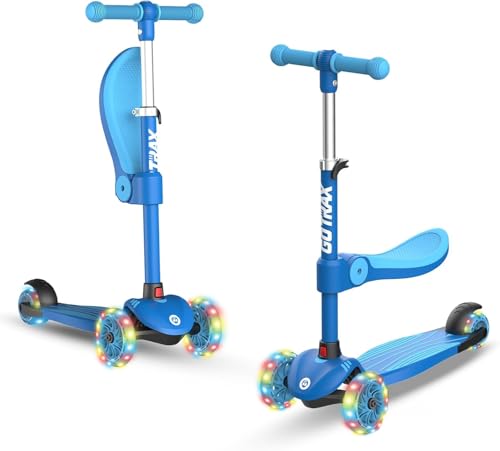
This Gotrax KS3 variant emphasizes a three-wheel layout with LED wheels and a foldable seat, designed for kids who want a simple sit-and-go experience. The seat can be removed when the child is ready to ride standing, and the adjustable height range keeps pace with development. The scooter’s low weight aids portability, which is useful for parents who need to carry it in a car or store in limited space.
Best for: Families seeking a versatile option that’s easy to transport and supports a smooth shift from seated to standing riding. Choose this if you want a lightweight solution with clear visual appeal and straightforward assembly. Caution: Ensure proper assembly by following the red-button release procedure to avoid loose fittings during use.
Buying Guide: How to Choose the Best 3 Wheel Scooter With Seat
- Seating versus standing balance: If your child needs more rest breaks, prioritize a model with a sturdy fold-out seat and a safe seat-to-stand transition. Consider weight limits for seating separately from standing performance.
- Height adjustability: A scooter with multiple handlebar heights grows with your child. Look for at least three or four options to extend overall use beyond the first year.
- Wheel lighting and visibility: LED wheels improve visibility indoors and outdoors. This feature is especially helpful for early evening rides or darker indoor spaces.
- Weight and portability: Lighter models are easier for parents to carry in cars or store. If you travel frequently, consider foldable seat mechanisms and simple disassembly.
- Weight capacity and growth: Check how much weight the standing mode supports and how much the seat can safely carry. A broader range typically indicates a longer lifespan for the toy.
- Indoor versus outdoor suitability: Wide decks and anti-slip surfaces provide balance and safety for both indoor and outdoor use. Make sure surface textures on your typical ride spaces align with the product’s design.
- Safety features: Look for rear brakes, stable three-wheel designs, and secure seating attachments. Some models include a foot rest or non-slip deck for added control.
FAQ
- What age should a child use a 3-wheel scooter with a seat? Models typically suit toddlers aged 18 months to around 7 years, depending on weight limits and rider development.
- Are these scooters easy to assemble? Most options feature straightforward assembly with simple steps. Look for models that offer quick-release or button mechanisms for easier setup and breakdown.
- Can the seat be removed for standing riding? Yes, most designs include a fold-out or detachable seat to transition to standing riding as the child gains balance.
- Do LED wheels affect performance? LED wheels add visibility and fun without reducing stability when the scooter is used as intended by the manufacturer.
- Which feature matters most for indoor use? A wide deck, low weight, and adjustable height are particularly important for maneuverability in tighter spaces.
- Is lean-to-steer safer for beginners? Lean-to-steer helps balance development but may require practice; supervise initial use to ensure proper control.