Looking for a dependable 2-stroke gas engine for RC airplanes? This guide highlights five strong options tailored for different airframes and pilot needs. Whether you fly small park flyers or larger scale models, these engines emphasize power, cooling, and ease of maintenance. The top picks are categorized by best use cases, such as lightweight setups for beginners or high-thrust units for sport and aerobatic aircraft. Each listing includes who it’s best for, why it was selected, and a practical caveat to consider before you buy.
| Product | Best For | Why It Stands Out |
|---|---|---|
| RC Plane Engine 10CC BM Side Exhaust | Medium-size fixed-wing models | Side exhaust aids airframe compatibility and cooling in tight layouts |
| RCGF Stinger 10cc RE | Airframes needing rear-exhaust efficiency | Rear exhaust improves airflow and heat management |
| 60cc CNC Single Cylinder Petrol Engine | Large-scale models and demanding flights | High displacement with CNC construction for durability |
| CUIPPWRJ NGH 9CC 2 Stroke GT9pro | Versatile platforms and multi-use kits | Compact, robust 9cc design with broad compatibility |
| RCGF 10CC BM Petrol Engine | Medium-to-large planes needing steady power | Balanced power output with side-exhaust configuration |
Tip: best results come from matching engine displacement to airplane size, airframe design, and flight style. Consider cooling access, mounting compatibility, and maintenance ease when comparing these options.
RC Plane Engine 10CC BM Side Exhaust Engine
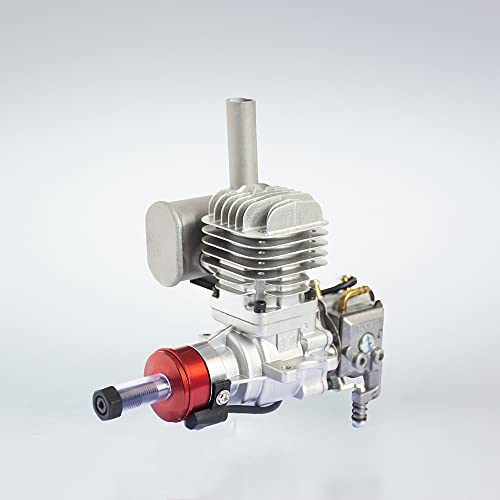
Brand: ZYHOBBY. Features: 100% brand new, more powerful, stronger material, more precision, more shining. Rear exhaust design makes it fit more narrow airplanes. Best for pilots seeking compact power with easier mounting in tight fuselages. Limitation: rear-exhaust plumbing may require careful routing in slim airframes.
RCGF Stinger 10cc RE Rear Exhaust Engine

Brand: OWMamKuny. Features: Designed for performance and durability with rear exhaust; easy-to-maintain rear exhaust system; lightweight and compact design. Best for pilots who want improved airflow and cooling with straightforward maintenance. Limitation: availability may vary by region and aftermarket parts should match the model.
60cc CNC Single Cylinder Petrol Engine

Brand: YDTPunjgg. Features: CNC-machined aluminum construction; 2-stroke 60cc displacement; designed for large-scale RC airplanes; strong thrust output. Best for large airframes needing consistent power during longer flights. Limitation: larger size and weight may require reinforced mounts and airframe tweaks.
CUIPPWRJ NGH 9CC 2 Stroke GT9pro

Brand: CUIPPWRJ. Features: Robust 9cc 2-stroke design; versatile use with RC airplanes, multicopters, drones; efficient fuel use for extended flight times. Best for mixed-platform setups or pilots seeking a compact, adaptable powerplant. Limitation: 9cc class may require careful throttle control on lighter airframes to avoid over-boosting.
RCGF 10CC BM Petrol Engine

Brand: YDTPunjgg. Features: 10ccBM 2-stroke petrol engine; side exhaust design; suitable for medium-to-large airframes; designed for stable power delivery. Best for pilots needing reliable performance with a familiar side-exhaust layout. Limitation: side-exhaust routing may limit mounting options in some compact airframes.
RCGF Stinger 10cc RE Engine

Brand: Zamprux. Features: Rear-exhaust configuration for streamlined airframes; 2-stroke single-cylinder design; consistent power across throttle settings. Best for airframes requiring streamlined integration and easy fuel delivery. Limitation: rear-exhaust units may need precise mounting for optimal clearance and cooling.
Glintique 15CCBM Petrol Engine

Brand: Glintique. Features: 15ccBM petrol engine; strong power and stable performance; optimized for fast response. Best for pilots seeking higher thrust in mid-sized airframes and a dynamic visual appeal. Limitation: 15cc class may be heavier and require airframe reinforcement.
Buying Guide: Key Considerations For 2-Stroke Gas RC Plane Engines
What airframe size and weight can your model safely handle? Larger engines deliver more thrust but add weight and require robust mounts. Map engine displacement to the aircraft’s wing loading and intended flight style.
Which exhaust configuration fits your airframe? Side-exhaust units often ease mounting in wider fuselages, while rear-exhaust designs can improve cleanliness of the engine bay and airflow in slim or compact airframes.
How important is cooling and maintenance access? Engines with accessible exhausts, clean air paths, and simplified maintenance reduce downtime between sessions.
Is multi-use compatibility a factor? Some engines work across airplanes, multicopters, and drones; confirm mount patterns, fuel type, and carburetor compatibility for your platform.
What mounting and fuel considerations apply? Verify mounting hole patterns, fuel type (gasoline/petrol), and required fuel mixes to avoid premature wear or performance loss.
FAQ
- What displacement should I choose for a 1:5 scale plane? Aim for engines in the 10cc–60cc range based on airframe weight and wing loading; larger models typically need higher displacement for adequate thrust.
- Are rear-exhaust engines harder to install? They may require more careful routing but often offer better airflow in narrow airframes.
- Can these engines power both beginners and experienced pilots? Yes, but match the power to pilot skill and the airframe’s handling characteristics; consider starting with a lighter engine for beginners.
- Do I need special fuel or additives? These engines generally use regular two-stroke gas with appropriate fuel mix and lubricants recommended by the manufacturer.
- Will I need extra cooling measures? Yes, ensure adequate airflow around the engine bay; rear-exhaust designs may help with heat management in compact airframes.
- Is maintenance easy for all these engines? Choose units with accessible exhausts and simple carburetor access for straightforward maintenance routines.